Socratic Computer Science Mastery
for KS2 Scholars in Cambridge
Join the 2026 Socratic Pilot. We do not offer remediation; we forge intellectual independence for the UK's most ambitious students in Cambridge.
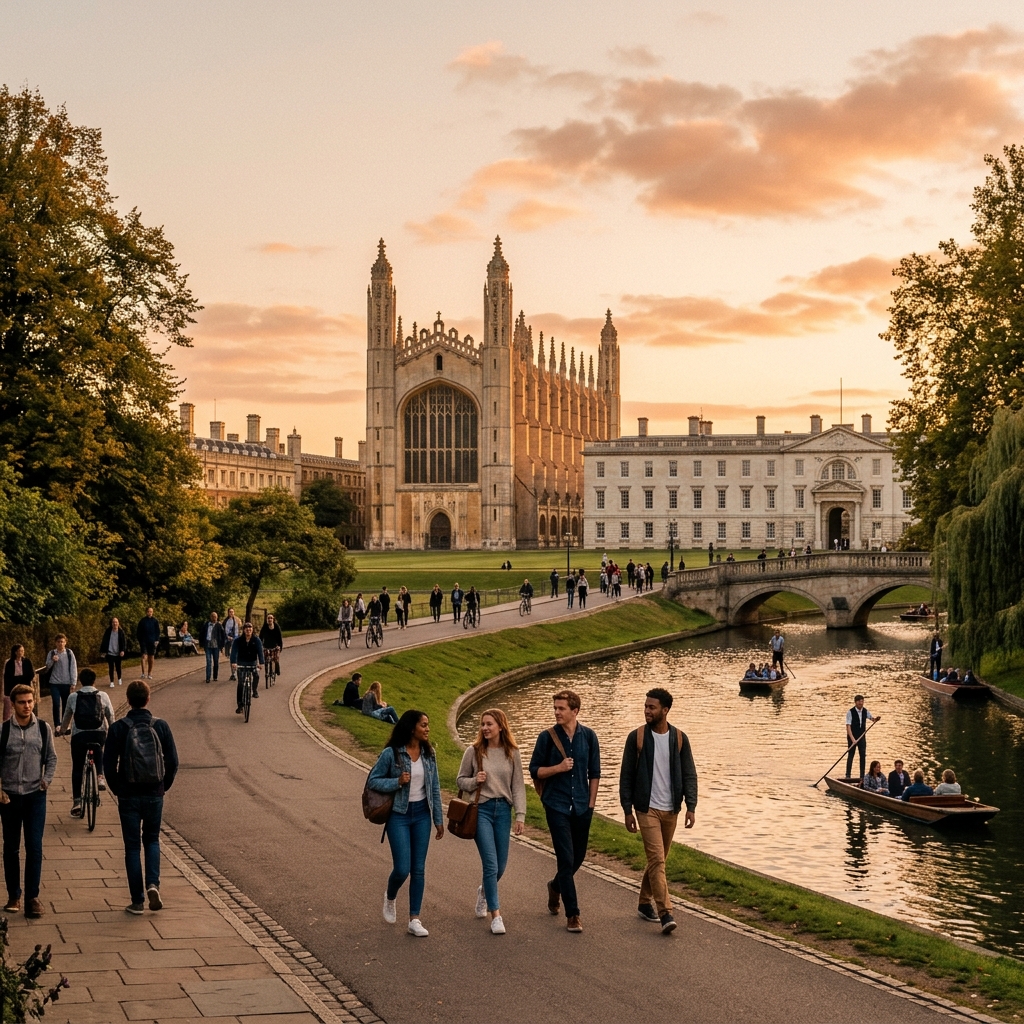
Regional Signature: Cambridge Metropolitan Hub
The Cambridge's global innovation powerhouse Report
Students transitioning from KS3 to GCSE in Cambridge typically encounter accelerated curricula and a pronounced emphasis on STEM subjects, reflecting the city's industrial strengths. Schools are geared towards fostering critical thinking and problem-solving skills from an early age, preparing students for demanding academic paths.
Specific curriculum challenges in Cambridge include maintaining a balance between a broad curriculum and deep specialisation, especially in science and mathematics. There's also pressure to engage with advanced concepts beyond the curriculum, often through external competitions and clubs.
Socratic logic in Cambridge aligns with its deep research culture, where questioning hypotheses and rigorous debate drive discovery. Rote-learning offers foundational knowledge, but Socratic inquiry in Cambridge cultivates the innovation, analytical precision, and intellectual curiosity essential for contributing to its cutting-edge research and tech industries, moving beyond memorisation to true intellectual breakthroughs.
Cambridge is a global leader in AI, semiconductors, software development, and deep tech, fueled by university research and a vibrant startup scene.
Cambridge parents should focus on holistic development alongside academic excellence, as top schools and universities value well-rounded candidates with strong extracurricular profiles.
Metacognitive Independence
For our Junior Scholars, we move beyond simple fact-recall. We teach them 'how to learn' by engaging with the Socratic process. This builds the foundational curiosity required to thrive in later Key Stages.
A child who masters self-correction at KS2 will inevitably dominate the GCSE landscape in five years.
Foundational Computer Science First-Principles
Instead of teaching Computer Science as a set of rules, we treat it as a language of logic. We ask the questions that help Year 4-6 students deduce the laws of Computer Science themselves.
Tutoring Logic Comparison
Old-School Rote Tutoring
Remedial Class Support
- Passive answer-feeding creates cognitive dependency
- Reactive syllabus coverage (following the school)
- Standardised drill-work for mass-market testing
LumenForge Socratic Standard
Active Scholar Foundation
- The Productive Struggle builds neural independence
- We prepare students for the Paper 1 logic challenges by enforcing a strict 'No Copy-Paste' Socratic environment, forcing deep algorithmic understanding.
- Proactive High Academic Standards, STEM Focus Audit
* As an Institutional Standard, LumenForge supports and enhances existing classroom teaching through high-status Socratic enquiry.
Foundry Signature
Regional Cost Logic
Safety Audit
Start Your Mastery Audit
Identify the cognitive gaps in your Computer Science foundation today.
Parent Considerations
Is this for beginners or advanced students?
Both. Socratic questioning adapts to the student's current 'thinking frontier,' challenging experts while providing scaffolding for beginners.
Sovereign Ecosystem
LumenForge is more than a mentor. It is a unified network of pedagogical tools designed for intellectual independence.
Revision Wiki
Deep-archive of Socratic study notes and syllabus-mapped logic.
Grade Calculator
AQA/Edexcel-synced grade forecasting and performance auditing.
Cognitive Assessment
Identify your critical thinking frontier and diagnostic gaps.
Tutor Review Meta
Head-to-head audits: Why Socratic methods dominate 2026 outcomes.